

Music Promotion in 2026: Evolving Strategies for Spotify, Meta Ads, and Beyond
The landscape of music promotion has transformed dramatically between 2024 and 2026. What worked a couple of years ago might now yield diminishing returns, as streaming platforms and social media have introduced new features, algorithms, and monetization models. Independent musicians, marketers, and labels worldwide are adapting to changes in Spotify’s dynamics, leveraging Meta (Facebook/Instagram) ads in new ways, and riding trends on YouTube Music, Apple Music, TikTok, SoundCloud, Deezer, and more. In this article, we’ll explore how artist discovery, advertising, algorithmic exposure, monetization, and fan engagement have evolved – and how you can navigate the music promotion game in 2026.
(Spoiler: It’s more multi-channel and data-driven than ever. But with the right strategy, this era offers unprecedented opportunities. Read on for updated tips – and a few ways to stand out in the crowd.)
Spotify’s Changing Dynamics (2024 vs. 2026)
Spotify remains a powerhouse for music discovery, but how the platform surfaces new artists has shifted since 2024. By mid-decade, Spotify’s recommendation algorithm had grown more conservative and familiarity-biased, making organic breakthroughs tougher without the right signals. Whereas 2024 strategies centered heavily on pitching editorial playlists and racking up any streams possible, in 2026, the focus is on triggering algorithmic boosts through strong engagement metrics:
Stream-to-listener ratio and saves: Spotify’s algorithm in 2025–26 prioritizes retention and engagement. Tracks that get repeat plays from the same listeners and lots of library “saves” are deemed high-quality and served more often in personalized playlists. This has a side effect: the algorithm tends to reinforce songs and artists a user already knows, rather than boldly introducing unknown acts. Many users have noticed their Discover Weekly and AI DJ sessions leaning towards “old favorites” instead of fresh finds. As one analysis put it, “the Spotify algorithm now prioritizes retention metrics… which tend to boost songs people already know.
The rise of “Spotify-core”: With discovery tougher, artists began optimizing their music for the algorithm. By 2025, a trend of “Spotify-core” tracks emerged – songs with catchy hooks introduced in the first few seconds and high replay value – all designed to please the algorithm’s taste for long listens and low skip rates. In 2024, you might have focused on getting any playlist adds; in 2026 you’re also thinking about song structure and listener behavior data. Immediate listener engagement has become crucial for a song’s success on Spotify’s platform.
Discovery Mode and in-app promos: Spotify has rolled out new promotional levers. Discovery Mode, which exited beta around 2023–24, allows artists to opt in to have a track prioritized in algorithmic recommendations (Spotify Radio, Autoplay, etc.) in exchange for a reduced royalty rate on those streams. Essentially, you trade ~30% of per-stream revenue for a boost in exposure. This has been contentious (critics call it “pay-for-play” by another name), but some indies are testing it. It can nudge your song into more ears after your initial release buzz fades, though results vary. By 2026, Discovery Mode is one more tool in the box – helpful if used judiciously, but not a magic bullet. Meanwhile, Spotify’s paid in-app marquee pop-ups (the Marquee campaign) and the new Showcase cards let artists target listeners who’ve shown interest in their music with announcements of new releases or featured songs. These features became more widely available and easier to manage in 2025. For example, you can now run a Marquee campaign in multiple countries at once and even use Showcase to highlight catalog songs (not just new releases) at the top of listener home feeds. These native ad tools were in limited beta in 2024; by 2026, they’re part of many artists’ release rollouts (though they require a budget and a decent existing following to access).
User control and algorithm tweaks: Spotify’s also giving listeners more power to discover music on their own terms. In 2023, the app introduced a TikTok-style vertical feed of song previews on the Home and Search pages – letting users swipe through 30-second clips (with Canvas visuals) to stumble on new tracks. This “discovery feed” approach was brand new in 2024, aiming to make finding new artists more engaging and visual. Fast-forward to late 2025, and Spotify went further with AI. They launched AI DJ (a personalized DJ that chats and plays songs based on your taste) and experimental features where users can “steer the algorithm” by prompting it with what they want to hear. For instance, a user could type (or say) “Play deep-cut tracks by my top 2010s indie artists” and get a tailored playlist. This Prompted Playlist feature (rolled out in beta in Dec 2025) is meant to give listeners more personalized discovery and let the algorithm break out of pure passive mode. For artists, Spotify claims this will “surface their music for the right listeners” more intelligently. The jury’s still out on how much these AI-driven playlists will impact indie artists, but it’s a trend to watch – the more control users have to explore, the more chances new music has to be found.
The battle for attention: Perhaps the most daunting change from 2024 to 2026 is the sheer scale of content. By late 2022, over 100,000 new tracks were being uploaded to streaming services each day, and that number has only grown. (Apple Music’s catalog doubled from 100 million to 200 million tracks between 2023 and 2025!) The global flood of music means competition for listener attention is fiercer than ever. Universal Music Group’s CEO noted that this “vast volume of music… is making it increasingly difficult for artists to break through”. In practice, this means in 2026 you can’t rely on just tossing a song onto Spotify and hoping for the best – you need to actively cut through the noise. On Spotify, most of those 100k daily songs will never surpass 1,000 streams. In fact, roughly 87% of tracks on Spotify have under 1,000 streams, and only the top 1% of artists account for the majority of plays. This was true in 2024 and remains so. The difference now is that Spotify itself is trying to address “content clutter” by empowering genuine engagement. (For example, competitors like Deezer are revamping payout models to reward tracks that people actually listen to, as opposed to ambient noise tracks or bot-driven plays – more on that later.) For you, the independent artist, it underscores that strategic promotion is essential. High-quality music plus a savvy marketing plan is needed to stand out when you’re literally up against 100,000 other new songs every day.
Bottom line: In 2026, succeeding on Spotify means understanding the new rules. Focus on triggering engagement – encourage your fans to save your songs, replay them, and add them to playlists, especially during release week, to feed Spotify’s algorithm positive signals. Recognize that Spotify’s personalized feeds might not hand new artists viral moments as easily as before (since the algorithm leans safe). Therefore, driving external traffic to Spotify (from social media, ads, etc.) to kickstart that engagement is often necessary to get on the algorithm’s radar. The platform has given artists new tools like Marquee, Countdown Pages (for pre-saves in-app), and on-profile Clips to promote music, which differ from the mainly editorial playlist approach of 2024. Use them! And remember that Spotify is only one piece of the puzzle – an important piece, but not the entire picture.
Meta Ads: From Precision Targeting to Creative Automation
When it comes to off-platform promotion, Meta Ads (Facebook & Instagram) have been a staple for music marketers for years. In 2024, many independent artists were running Facebook/Instagram ad campaigns targeting fans of similar artists, using story ads to preview their song with a “Swipe up to Spotify” link, etc. Those tactics still exist, but the Meta ads ecosystem has evolved – both in capabilities and best practices – between 2024 and 2026.
Meta’s advertising power is still unrivaled. As one music marketer put it in 2025, “Meta has the best advertising platform in the world… The most reliable way to grow your audience on Spotify and other streaming platforms is with Facebook and Instagram ads.” This holds: paid social ads remain a proven method to drive streams, reach new listeners, and even trigger the Spotify algorithm (via increased activity). If you want to quickly boost your song’s presence, running a targeted IG ad campaign is often step one. However, what’s changed is how you target and optimize these campaigns.
Goodbye hyper-specific targeting – hello AI optimization: In the past, you might have painstakingly narrowed Facebook Ads to, say, “Males 18-24 in the UK who like Rock and follow Band X”. By 2025, Meta has significantly reduced granular targeting options and pushed advertisers toward broad targeting with automated optimization. Advertisers have been “complaining about the gradual loss of manual control and targeting options” as Meta’s algorithms take the wheel. Interest targeting isn’t as effective or necessary as it once was. In fact, experienced music marketers now often leave detailed interests blank or just target a broad category like “Spotify” worldwide, and let Meta’s AI find the right people. One 2025 experiment found that running one broad ad set with many creatives led Meta to efficiently find the best-performing ad, just as well as (or better than) manually splitting into dozens of tiny targeted ad sets. The takeaway: “Targeting is dead. The creative is the targeting.” In 2026, your ad’s content – the video or graphic and how compelling the song snippet is – matters more than an exhaustive list of interests. Meta’s machine learning will look at who reacts to your ad and automatically show it to more similar users. This is actually good news for musicians: you can focus on making a killer ad (catchy hook of your track + eye-catching visuals) and trust Meta’s algorithm to find the fans who love that style.
Rise of Advantage+ and automated campaigns: In line with the above, Meta introduced products like Advantage+ campaigns that automate placement and targeting decisions. By choosing a conversion objective (often “Listen on Spotify” via a smartlink click), and letting Meta auto-optimize, you often get better results than manual micromanagement. The Ads Manager interface in 2025 defaults to suggesting automated settings at every step. For artists, it means less tinkering and more letting it run – but you must supply enough budget and a variety of creatives for the algorithm to learn. Also, pixel tracking and conversion APIs have become critical since Apple’s privacy changes. By 2024, the iOS 14 update had limited Meta’s tracking; Meta responded by encouraging server-side conversion tracking (Conversions API) and aggregated data. Many music campaigns now drive traffic to a landing page (e.g., a Hypeddit or ToneDen smart link) where a Meta Pixel tracks who actually clicks through to Spotify. This helps train the algorithm on “converters” (people who not only click the ad but also go on to open your song). Setting up a custom conversion event for a “Smart Link Click -> Spotify” is a standard step in 2026. It sounds technical, but tools like Hypeddit have made it easier, and it’s worth it – you’re essentially teaching Meta’s AI what kind of user is most likely to stream your music, so it can refine delivery.
Creative trends: vertical video and authenticity. The creative format itself has shifted from 2024 to 2026. Static images or generic canvas ads have given way to vertical videos (thanks to TikTok’s influence). Instagram Reels ads and Story ads are prime real estate for music clips. A typical approach in 2025 is to use a 15-second vertical video of you performing your song or a fast-paced montage set to the hook, with captions or text overlays, and a call-to-action button like “Listen on Spotify”. These often outperform old-style feed ads. Authenticity and a “native to social” feel are key – flashy, polished ads can sometimes be ignored, whereas a casual clip that looks like organic content can stop the swipe. In other words, your ad should feel like compelling TikTok/IG content that just happens to direct people to your song. This aligns with the broader social trend: people respond to stories and personality. An artist talking to the camera for a second – “I just dropped this track, if you like [genre], check this out” – then previewing the song, can hook viewers better than a generic “NEW SINGLE OUT NOW” graphic.
Cost and strategy considerations: Are Meta ads worth it in 2026? They can be, but costs have risen somewhat, and it requires savvy budgeting. Some artists allocate a few dollars a day, others a few hundred a month. A common plan might be spending $300–$500 on a release campaign, which can feel steep, but when well-optimized, can yield thousands of streams and, importantly, feed Spotify’s algorithm with real listener activity. It’s important to target globally to get the most bang for your buck. Rather than only targeting your home country (which might have high ad costs), many campaigns use a mix of Tier 1 and Tier 2 music markets. For example, a campaign might include the US, UK, Canada, but also Brazil, Mexico, Malaysia, Italy, South Africa, and more – a list of 30+ countries where Spotify usage is strong. This way, you reach a wide international audience of potential fans. Meta’s algorithm will automatically put more budget into whichever regions give you the cheapest conversions. Often, we see a lot of traffic from places like Brazil or Mexico at a low cost per click, which still helps your Spotify momentum. (Pro tip: you can use Meta’s Value Rules to ensure you don’t only get fans from the cheapest regions if you want a balanced approach. But in general, a real listener is a real listener, wherever they’re from – and global virality is real in 2026.)
Combining ads with playlist strategies: One notable shift by 2026 is the more integrated approach to triggering Spotify’s algorithm. Smart marketers combine Meta ads and playlist pitching. The idea is to use ads to generate streaming activity and submit to independent playlists (or use services to do so) in parallel, which together create the traction needed for Spotify’s algorithmic playlists to kick in. By driving a spike of genuine streams from ads, you improve your song’s performance metrics (save rate, etc.) while some curated playlists add social proof and steady plays. The synergy can land you on Discover Weekly or Release Radar for more users. In 2024, artists might have treated Facebook ads and playlist pitching as separate tactics; in 2026, they’re often two sides of the same campaign. For example, an artist might run Meta ads for two weeks around release, and simultaneously work with a platform to get on a few algorithm-friendly playlists – all to boost that initial stream-to-listener ratio and hit the coveted algorithmic “surf” where Spotify starts recommending the track organically.
Key takeaways: Meta ads in 2026 are still a go-to tool – possibly even more so, as other organic reach is harder. Embrace the automation: run broad-targeted campaigns, use Conversion objectives with a pixel, and focus your energy on great ad creative that showcases your music’s best 15 seconds. Keep your ads fresh (rotate new videos, try different captions or hooks) to avoid ad fatigue. And think globally; your next superfans might be in São Paulo or Manila just as easily as in New York. With costs per click varying by country, a global approach can stretch your dollars while building a truly international fan base from day one. Finally, remember ads are a means to an end – getting real people to hear and love your music. Once you’ve attracted those new listeners, be ready to engage and retain them (more on fan engagement below).
(Bonus: If managing Meta ads feels overwhelming, consider leveraging specialists or services. For instance, some promotion companies (like Groove Gainer) offer integrated campaigns that handle Facebook/Instagram ads plus playlist promotion, aiming to “trigger Spotify’s algorithmic playlists” through that powerful combo. It’s worth exploring if you’d rather spend time making music than optimizing ad sets.)
TikTok and Short-Form Video: The New Hit-Maker
It’s impossible to talk about music promotion in the mid-2020s without talking about TikTok. In 2024, TikTok was already the hot place where unknown songs went viral and climbed the charts. By 2025–2026, TikTok has only solidified its influence – and faced some competition – in the realm of short-form video-driven music discovery. This truly is the era where “TikTok is the new radio”, and creators are the new DJs and tastemakers.
TikTok’s global power: As of 2025, TikTok surpassed 1.5 billion monthly active users. For context, that’s more than many traditional media outlets could ever dream of reaching. The app’s algorithmic feed means that any video (and the song in it) can potentially reach millions well beyond the creator’s follower count – if it resonates. TikTok has essentially become the primary launchpad for breaking new music. A catchy 15-second dance or meme can send a song from obscurity to the top of Spotify’s charts in days. We’ve seen it time and again: tracks like Lil Nas X’s “Old Town Road” (pre-2024) to more recent hits like Olivia Rodrigo’s and numerous indie surprises owe their explosion to TikTok trends.
Creators as tastemakers: In the old days, getting radio play required label connections and program directors’ approval. In 2026, getting traction often means capturing the imagination of TikTok creators. Influencers and everyday users now act as the “influential DJs.” As one 2025 analysis put it, “the play button has moved… the thumb that taps it belongs to a creator, not a radio DJ”. Trends like dance challenges, lip-sync memes, POV storytelling with your song in the background – these are the new “rotations” that can drive a song’s popularity. Music labels have caught on: they’re not just pitching Spotify editors, they’re also actively working with TikTok influencers. If you’re an independent artist, you should too. Collaborating with even a few micro-influencers (say, creators with 50k–200k followers in your genre niche) to use your song can spark a wildfire. The key is authenticity – finding creators who genuinely like the track or can create engaging content with it.
TikTok algorithm updates: TikTok’s algorithm in 2025–2026 remains incredibly adept at matching content to user interests. Interestingly, it has become even more music-driven, according to some reports. There are suggestions that TikTok now recognizes trending audio and will boost videos using sounds that show strong engagement metrics. TikTok also introduced some music-specific features: TikTok Sounds library improvements, and even a program where popular TikTok creators can monetize via music (for example, getting a cut when they help boost a song’s streaming off-platform). One guide noted that creators can “monetize their videos directly through music engagement metrics” on TikTok. This implies TikTok is sharing some revenue or bonuses for videos that drive song successes – making creators even more incentivized to hop on catchy new sounds. For artists, this means a good song with viral potential will attract creator attention, sometimes even without a paid push, because creators are looking for the next big sound to boost their own views (and now, possibly, their income).
Short-form video beyond TikTok: The TikTok effect has spawned imitators – notably Instagram Reels and YouTube Shorts. By 2024, Instagram’s Reels algorithm was pushing videos globally, and YouTube launched a “Samples” feed in its YouTube Music app in 2023. This Samples tab is essentially a TikTok-style vertical feed of music video clips and live performance snippets tailored to your taste. It lets users swipe to discover new music and seamlessly add songs to their YouTube Music library or playlist. The presence of Shorts on YouTube and Reels on IG in 2026 means that short-form video is ubiquitous. A smart music promotion strategy treats TikTok, Reels, and Shorts as parallel channels. Often, you can repurpose the same video idea across all three for a wider reach. And note: YouTube Shorts can be especially rewarding because YouTube now has a monetization program that shares ad revenue on Shorts and compensates music rights-holders. Creators who use your music in a Short won’t get demonetized; instead, YouTube’s system shares a portion of revenue with the music, meaning a viral Short featuring your song can actually put royalties in your pocket. This is a big shift from the past, where unofficial use of music on YouTube would just get flagged or muted. By 2025, dance influencers on YouTube like Matt Steffanina noted that “some revenue is still better than no revenue at all” – they can now earn from dance videos using popular tracks because of YouTube’s music revenue-sharing. For artists, it means the ecosystem is aligning where everyone benefits from a song going viral on Shorts/YouTube (unlike TikTok, which doesn’t directly pay out for music usage beyond its flat licensing deals). So don’t sleep on YouTube Shorts as a promotion avenue; a trend that starts on TikTok often spills into Reels and Shorts, boosting your song across multiple platforms.
Strategy: content and consistency: To leverage TikTok in 2026, artists are essentially becoming content creators. This doesn’t mean you have to dance if that’s not your style, but you do need to craft short, engaging videos around your music. Some approaches that have proven effective:
Show behind-the-scenes clips of making the song or the story behind the song. TikTok audiences love authenticity and storytelling. A quick anecdote about what inspired your lyrics, set to the song, can hook viewers.
Start a challenge or trend with your song. It could be a dance (if it fits), or something humorous/emotional – e.g., people using your sound to share a certain type of story or do a certain skit. Keep it simple and relatable so that many people can participate.
Collaborate with TikTok influencers directly. Platforms like TikTok’s Creator Marketplace or third-party services make it easier to find creators open to music collabs. Even without a budget, reaching out to small creators who align with your vibe can go a long way. Offer them early access to the song, be open to their creative ideas, and celebrate whatever they make.
Use TikTok’s own ad tools if you have a budget. TikTok Ads Manager allows something called Spark Ads, where you can promote an organic post (yours or a creator’s) to more feeds. You can also run In-Feed ads that look like any other TikTok video. By 2025, TikTok even tested “Music Discovery Ads” that specifically boost a song snippet in people’s For You feed or sound library. Targeting TikTok Ads can zero in by interests, regions, or even target viewers who engaged with similar artists. While TikTok’s ad platform isn’t as mature as Meta’s, it’s getting better and can be an efficient way to kickstart a trend if you have a great piece of content to promote.
Consistency is key: TikTok (and Reels/Shorts) reward regular posting. It’s better to post 3 short videos a week than one highly polished video once a month. You never know which clip will catch the algorithm’s fancy. Many artists in 2024–2025 found that it was the third or tenth TikTok they made about their song that suddenly blew up, not the first. Don’t be afraid to repeat yourself in creative ways – new viewers aren’t guaranteed to see your previous posts. As TikTok experts advise, “post consistently with authentic behind-the-scenes content” and continue to engage with commenters and trends.
Global and cultural impact: TikTok’s impact is truly global. A song in one language can trend in another country purely off a vibe or meme (consider how many non-English songs have become TikTok hits). Additionally, certain regions have their own dominant short-video apps (for instance, Reels and YouTube Shorts fill the gap in places like India, where TikTok is banned). If you’re targeting a specific market, be mindful of that. But overall, TikTok trends cross borders easily in 2026 – a dance challenge in Indonesia could propel a track up the charts in the U.S. and Europe days later. This means your marketing should be globally aware. If your song has elements that could appeal internationally (catchy hook, even if listeners don’t understand the verses, etc.), highlight that in your TikTok content. And if you see your sound picking up in a certain country’s TikTok, lean into it – engage those fans, maybe incorporate that country’s language or trend in a follow-up video.
In summary: TikTok (and its short-form cousins) in 2026 is arguably the most powerful free promotional vehicle for music. The difference from 2024 is that now it’s an essential, not an experimental bonus. The strategies have matured – artists are hiring TikTok strategists, labels are structuring marketing plans around TikTok moments, and even chart formulas consider TikTok data indirectly. Success on TikTok can translate to longevity on streaming platforms, with viral TikTok tracks often seeing sustained high streaming and even radio play afterwards. So, invest time in learning this medium. Be genuine, be creative, and lower your perfectionism – raw and relatable beats slick and commercial here. Even if you’re not “TikTok famous,” a well-placed trend with a handful of creators can do more for you than months of traditional promo. Keep an eye on new features TikTok rolls out (they’ve been integrating commerce, live streaming concerts, and even launched their own streaming app “TikTok Music” in some countries). The ecosystem is ever-evolving, but one thing is constant: short-form video is where new music discovery happens in 2026, so meet your audience where they scroll.
YouTube, Apple Music, SoundCloud, Deezer: Other Platforms & Trends to Watch
While Spotify and TikTok dominate a lot of discussions, a truly global music promotion strategy in 2026 considers all the major platforms. Each has its own changes and opportunities that have emerged since 2024:
YouTube & YouTube Music: YouTube has long been a music powerhouse (remember, it’s the world’s second-largest search engine and a top music streaming platform by usage). In recent years, YouTube bridged the gap between video and streaming by launching the YouTube Music app and features like the Shorts-driven Samples tab. In August 2023, YouTube Music’s Samples feed began serving personalized 30-second music video clips you can swipe vertically – effectively a music discovery feed inside the app. Each clip gives a taste of the song’s video or visualizer and lets users quickly add the song to their library or playlist if they like it. For artists, this means your official music videos or even art tracks can now get algorithmic exposure in a Shorts-like format. Ensuring you or your label upload engaging video content for your songs (be it a music video, performance, or a lyric visualizer) is more important than ever, because YouTube’s algorithm might grab a snippet and show it to potential fans who have never heard of you.
YouTube Shorts, as mentioned, is another crucial piece. One big shift: in February 2023, YouTube introduced revenue sharing for Shorts ads, which also accounts for music rights. Now, when someone uses your music in a Short, that video can still earn ad revenue, which gets split between creators and rights holders after a portion is set aside for music licensing. In practice, you’re not likely to make huge money from one viral Short (the payouts per 1,000 views are small, often pennies), but, significantly, using commercial music in Shorts is encouraged and monetized rather than discouraged. This has led many previously cautious YouTubers (like dance choreographers or vloggers) to incorporate popular songs into their short videos, knowing they’ll get a share instead of a copyright claim. This means more creators are willing to use your music on YouTube, increasing your exposure. Ensure your distributor has your songs opted into YouTube’s Content ID and Shorts monetization – most do by default now – so you benefit from this.
YouTube has also doubled down on connecting music and creators through features like Creator Music, a catalog where YouTubers can license tracks for their long-form videos easily (either via a one-time fee or a revenue split). This launched in late 2022 and expanded by 2024. As an indie artist, getting your music into YouTube’s Creator Music library (e.g., via a distributor that participates) can open the door to many YouTubers picking up your songs for their content, which can drive discovery and some royalties. The trend here is integration: YouTube is leveraging its huge creator community to boost music. By 2026, many artists see a bump when a popular YouTuber features their track in a vlog or a challenge video – a modern equivalent of sync licensing, but often informal.
Apple Music: Apple Music hasn’t been as marketing-hyped as Spotify, but it quietly commands a large user base (with strongholds in the US, Japan, etc.). Apple Music in 2024–2025 introduced its share of enhancements: lossless and spatial audio (for audiophiles), and they continued their focus on exclusive releases and radio shows (Beats1 rebranded to Apple Music 1, with artist-led shows). While Apple hasn’t radically changed its promotional ecosystem (it still relies heavily on editorial curation – if you land in a big Apple playlist, that’s a win), there have been some updates:
Pre-Adds for albums: Apple Music allows users to pre-add upcoming releases (especially albums), which automatically add to their library on release. This is analogous to Spotify pre-saves, but built into Apple’s platform. In 2024, you’d use a third-party for Spotify pre-saves; Apple made it a native feature for its users, meaning if you have an album or EP, driving pre-adds on Apple Music can help signal momentum.
City Charts and Local Push: In 2022 Apple launched City Charts, daily charts for major cities worldwide. By 2025, these became a cool way for indie artists to claim local bragging rights and target promotion. If you start charting in your city on Apple Music, it’s something to shout about (perhaps even run localized ads mentioning it). It reflects a general industry trend of localization – algorithms aren’t purely global; they often highlight what’s popular nearby.
Integration with the Apple ecosystem: Apple Music in 2025 is deeply integrated with iOS, Siri, and gadgets (Apple Watch, HomePod). Why does this matter for promotion? Because if fans save your song on Apple Music, it might pop up in their automated mixes or when they ask Siri for some music. We mention this to highlight that not everyone is on Spotify – so while you craft your Spotify strategy, ensure your Apple Music for Artists profile is also updated (bio, pics, etc.), and encourage Apple listeners to add your music. Apple tends not to provide as much algorithmic discovery as Spotify, but they do have personalized mixes (New Music Mix, Favorites Mix, etc.) that your song can appear in if a user’s listening patterns fit. To be frank, the biggest promotional moves on Apple Music still come from getting on editorial playlists or being featured on their radio shows. Those are more opaque and often require industry connections or a distributor pitching on your behalf. The actionable angle for an indie artist: make sure your distributor is pitching your releases to Apple’s team (most do), and consider any niche Apple playlists where your song might fit. Also, engage your fanbase on Apple – e.g., share Apple Music links occasionally, not just Spotify, and remind fans who use Apple to give your song some love there.
SoundCloud: SoundCloud has transformed from the wild-west platform of the 2010s into a more artist-centric ecosystem by 2026. In 2021, SoundCloud introduced fan-powered royalties (a user-centric payout model where each listener’s subscription or ad revenue is distributed only to the artists they actually listen to, rather than pooled with superstar streams). By 2024–2025, this model has shown tangible benefits for indie artists: one study found 19% of SoundCloud independent artists could double their streaming income under this model compared to Spotify’s pro-rata system. In simpler terms, SoundCloud started rewarding niche but dedicated followings. If you have, say, 500 die-hard fans who loop your tracks on SoundCloud, you’ll see more revenue from that platform than you would from an equivalent number of streams spread thinly on Spotify. This hasn’t made SoundCloud richer than Spotify for artists overall, but it signaled a shift towards valuing fan engagement.
Building on that, SoundCloud rolled out a suite of new features in late 2024 and early 2025 to deepen fan engagement and monetization:
Fan support and direct connection: SoundCloud’s Fan Support lets listeners donate money to artists directly on the platform (almost like a built-in Patreon tip jar). Artists keep 100% of this fan funding. So if you have loyal listeners on SC, you can encourage them to hit that Support button on your profile – some fans will gladly drop a few bucks to support an indie they love. SoundCloud also added Fan Insights and Fan Messaging, where you can see your top listeners and send them thank-you messages or previews. This kind of CRM (Customer Relationship Management) approach is something Spotify doesn’t offer individually. It enables you to nurture your superfan community on SoundCloud in a more personal way.
“Buzzing” discovery playlists: In 2025, SoundCloud introduced Buzzing Playlists, which highlight tracks that are trending organically on the platform, across genres like hip-hop, electronic, etc., “showcasing tracks gaining traction among real listeners – not just those favored by algorithms”. This is a bit of a jab at purely algorithmic playlists – SoundCloud is leveraging its reputation for surfacing underground hits early. If your track starts doing well on SoundCloud (perhaps through reposts or shares), it might get picked by their editorial team for a Buzzing playlist, exposing you to more listeners who specifically want emerging artists. It’s a nice promotional avenue unique to SC.
Artist Marketplace and Tools: SoundCloud’s Artist Toolbox and Repost services (now under the banner “SoundCloud for Artists”) allow distribution to other platforms and offer marketing tools. By 2025, they will even enable multiple-track upload with an option to opt into SoundCloud’s recommendation algorithm immediately. Essentially, you can batch upload an EP and have SoundCloud’s system push those tracks to users who like similar music, which might save some legwork in promotion.
Merch on SoundCloud: A brand new feature is the SoundCloud Store integration – artists can now sell merchandise directly through their SoundCloud profile with no upfront costs. This taps into the “Streaming 2.0” concept of turning passive listeners into paying superfans by offering more than just streams. For example, you can drop a limited-run T-shirt or vinyl, and your SoundCloud followers can purchase it right on the platform. This is a big step toward monetizing fandom, not just plays.
All these SoundCloud features point to a post-2024 trend: focusing on fan engagement and alternate monetization. Even if SoundCloud’s listening audience is smaller than Spotify’s, it might house your core community. And with user-centric royalties plus direct fan support, it’s possibly the platform where 1,000 true fans could pay your rent, so to speak.
If your genre has a home on SoundCloud (hip-hop, EDM, indie, etc., all have strong SC scenes), don’t neglect it in 2026. Upload your music there (even if you distribute everywhere, you can still upload to your SC profile for fans). Encourage comments and interact – SoundCloud’s culture still values artist-fan interaction (those comment timelines on tracks). And consider leveraging their new tools: announce your merch or tour dates to your SC followers, maybe do a pinned track that’s a message to fans. These things make fans feel connected and more likely to support you financially.
Deezer & Other Streaming Platforms: Deezer may not be huge in the US, but globally (especially in France, Latin America, etc.) it’s a significant player with around 9.4 million subscribers as of 2025. The notable development with Deezer is its pioneering of an “Artist-Centric” payout model launched in France in 2023 and expanded in 2024–25. In partnership with Universal Music, Deezer’s model gives double weight to streams of songs by “professional artists” (defined as those with at least 1,000 streams a month from 500+ listeners), and also double-weights songs that listeners actively engage with (e.g., add to library or don’t skip). Simultaneously, they are demonetizing “non-artist noise” content (think 12-hour rain sounds or white noise channels) by excluding those from the royalty pool. The aim is to “better reward the artists, and the music that fans value the most”.
Why does this matter to you? It indicates a broader industry shift acknowledging that not all streams are equal – a real fan’s intentional play of your song is more valuable than a bot or background noise stream. In Deezer’s case, if you meet the “pro artist” threshold, your streams earn more. This might nudge artists to encourage their fans to use Deezer (especially in France or where it’s popular). It’s also a sign that other platforms (maybe Spotify in the future) could consider similar tweaks to favor engaged listening. For now, it’s a unique selling point for Deezer to artists: they want to attract serious musicians by promising a fairer shake. Deezer also implemented an AI detection system to tag AI-generated tracks and potentially filter out low-effort spam (by 2025, they noted 18% of daily uploads were AI-generated noise). All this means Deezer’s experience for fans might improve (less clutter, more real music), which could make it a viable place to build a fanbase, especially if you operate in markets where Deezer is strong (France, Brazil, etc.).
Other platforms: Amazon Music continues steadily (they’ve integrated Twitch streams for artists and have Amazon-exclusive podcasts; plus voice integration with Alexa can surface your music if people ask). TikTok Music (a new streaming service TikTok’s parent company launched in some countries) could become an interesting hybrid of social and streaming – keep an eye out if it expands, as it could allow direct synergy between TikTok virality and full song streaming. Boomplay, Anghami, Joox, and regional services matter in specific regions (Africa, Middle East, Asia). By 2026, the idea of a global release strategy includes making sure your music is on all these and that you engage any unexpected traction you see from them.
Monetization & Fan Engagement: From Streams to Superfans
A final crucial evolution from 2024 to 2026 is how artists are thinking about monetization and fan engagement. The mantra used to be “get on playlists, get streams, get paid (via streaming royalties).” While streaming income is still a major piece, there’s a growing understanding that sustainable careers are built on true fans and diversified income. Across platforms, new features are blurring the line between promotion and monetization, enabling artists to earn more directly from their fanbases and to cultivate loyalty in the process.
Superfans and direct support: We touched on SoundCloud’s initiatives (fan donations, merch, etc.). Spotify, while not adopting user-centric royalties, has recognized the power of superfans on its platform. In 2025, Spotify highlighted that a small fraction of listeners (often ~2% of your monthly listeners) might drive an outsized portion of your streams and even ticket sales. These are your “super listeners”, and converting casual listeners into these devoted fans is gold. Spotify for Artists doesn’t allow direct messaging to fans, but they have tools like Fans First emails (where top fans get emailed early access to tickets or merch if you set it up) and the ability to add a “Fan Support” link on your profile (Spotify let artists add a link to PayPal, Patreon, etc., as a tip jar during the pandemic, and that feature still exists via “Artist Fundraising Pick”). By 2026, many artists routinely include Patreon links, Bandcamp Fridays announcements, or other support links in their social bios and Spotify profiles. The stigma of asking fans for support is gone; fans appreciate supporting artists they love, especially as they become aware that a stream is a fraction of a penny. Don’t be afraid to tell your fans how they can directly help you – whether that’s buying merch, donating, or joining a membership club.
Live streams and experiences: Fan engagement also means interacting beyond the song. The pandemic forced live streams to flourish (Twitch, Instagram Live, etc.), and even post-pandemic, artists continue to do virtual events to reach global audiences. Platforms like Twitch have dedicated music communities, and Facebook/Instagram added features to tip during live videos. By 2025, many independent artists will have a regular schedule of going live to talk to fans, do acoustic sets, Q&As, etc. This keeps fans engaged and invested in you, not just the one song they liked on a playlist. Some streaming services integrate concert listings (Spotify shows your Songkick or Ticketmaster listed shows in-app; in 2025, they enhanced concert discovery features to recommend local shows to listeners). Always update your concert info on these platforms – it’s a passive but effective way to turn listeners into ticket-buyers when you tour.
Community building: Outside the big platforms, 2024–2026 saw a rise in artists building their own communities via Discord servers, private Facebook Groups, or text messaging platforms (Community.com, etc.). These aren’t about algorithmic discovery, but about retention and super-serving your core fans. For instance, you might have a Discord where your fans share memes, you drop sneak peeks, and everyone feels part of a tribe. It’s a promotion in the sense that these fans will amplify your message for you – they become your street team and hype squad. By 2026, even fairly small indie artists often have a Discord or similar, because it’s so valuable to have a space you control to reach fans (algorithm changes on social media can’t take that away if you have their contact). If you haven’t yet, consider starting an email list or Discord server in tandem with your music releases. Early supporters who join will feel a sense of belonging, and you can reward them with exclusive content or first dibs on new releases.
Algorithm meets fan engagement: Interestingly, fan engagement now directly feeds back into algorithms. For example, if you get your fans so engaged that they replay your song a bunch, that boosts those retention stats on Spotify, which in turn triggers more algorithmic exposure. If your fans on TikTok all create videos with your sound, the TikTok algorithm notices and might put that sound in the trending section or Music hub, attracting even more use. So, engaging your existing fans isn’t just about keeping them – it actually helps acquire new fans by pushing the algorithms to favor you. Recognizing this feedback loop is key. In 2024, one might have thought, “either focus on my current fans OR chase the algorithm.” In 2026, it’s both/and – energize your current fanbase so that their activity boosts your algorithmic profile. It’s a more holistic view of promotion.
New revenue streams: Aside from streaming and merch, many artists by 2026 have looked at things like NFTs or digital collectibles, sync licensing, and other creative revenue streams. The NFT boom of 2021 cooled off, but left behind an idea of direct-to-fan digital products. Some artists now sell collectible digital artwork or special access passes (not always on the blockchain; some use platforms like Ko-fi or Bandcamp for exclusive content sales). While not mainstream, if you have a tech-savvy audience, offering a unique digital collectible or limited release can galvanize your community (just do it authentically, focusing on the art and experience, not speculative hype).
And we’d be remiss not to mention Bandcamp, a platform that pre-dates all this but remained a cornerstone for indie monetization into 2026. Bandcamp Fridays (where they waive fees) became a regular holiday where fans support artists. The lesson here is: multi-platform presence with a clear funnel for fans to support you directly is the ultimate goal. Use Spotify/TikTok for reach, but maybe aim to eventually get fans over to Bandcamp or your own site to buy the vinyl or deluxe edition. Use Instagram and YouTube to show personality, but maybe funnel true fans into your Discord or Patreon for a deeper connection.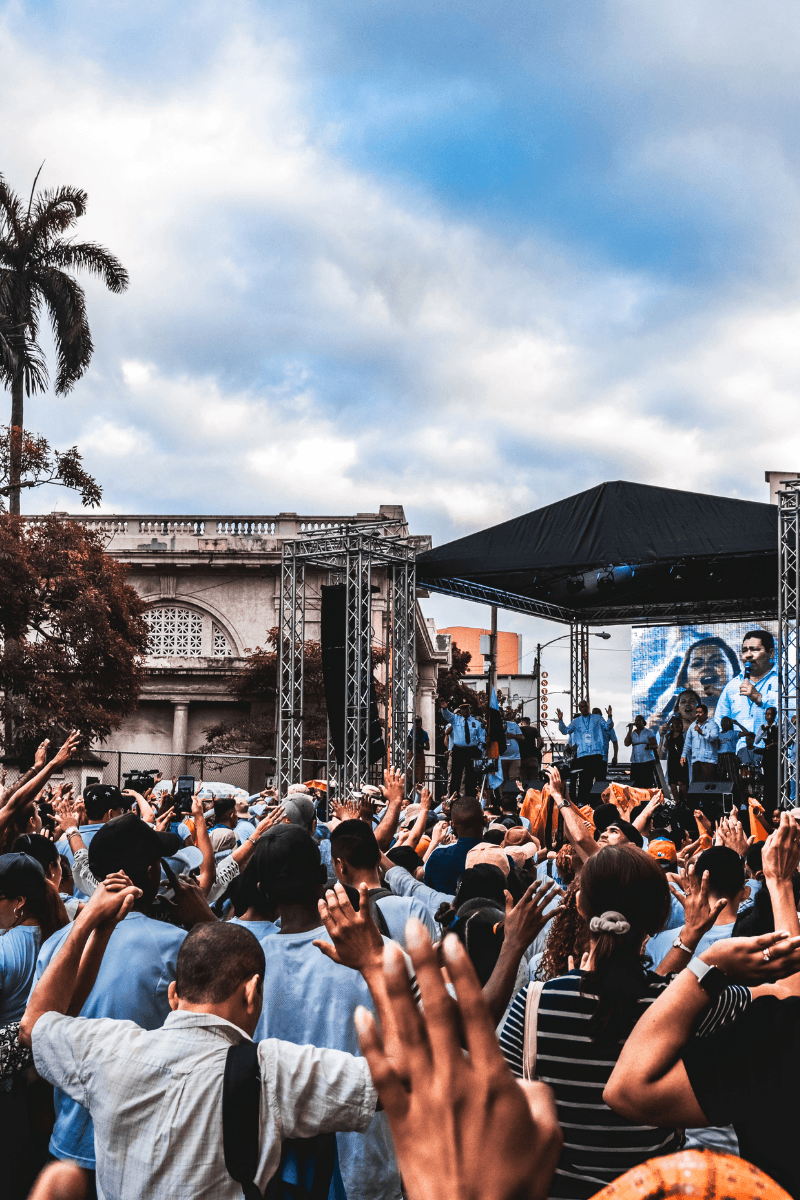
Wrapping Up: The 2026 Playbook
The evolution from 2024 to 2026 in music promotion can feel dizzying – algorithms changing, new features popping up, old tricks losing potency. But at its core, the mission remains: connect your music with listeners. The methods have expanded and become more interconnected.
To summarize the differences and new strategies:
Spotify (and major streaming): It’s no longer just about playlists; it’s about pleasing the algorithm (with engagement), using Spotify’s own promo tools (Marquee, Clips, etc.), and understanding that volume of releases is sky-high – so you must stand out with data-driven tactics and perhaps spending on promotion to kickstart momentum. Aim to turn streaming listeners into engaged fans because algorithms now favor engagement over raw plays.
Meta Ads and Paid Media: Still a cornerstone for driving traffic, but now leaning on AI optimization. Broad targeting, great creative, and global reach define successful campaigns in 2025–26. Meta ads are best used in tandem with other strategies (playlisting, pre-saves) as part of a coordinated launch. If you haven’t tried them since pre-iOS14 days, the game has changed – it’s worth re-learning because they can be extremely effective when done right, consistently driving streams and even helping crack algorithmic playlists when enough traction is achieved.
TikTok/Reels/Shorts: The epicenter of new music discovery. In 2024, it was “a good idea” to try TikTok; in 202,6 it’s essential. Put effort into it – even if it’s not naturally your comfort zone, find a format that works for you (be it performance clips, storytelling, or collaborating with content creators). A viral moment here can launch your career faster than anything else. And even smaller consistent success on TikTok (like a bunch of videos getting 10k views) can cumulatively grow a fanbase. Also, cross-pollinate your content to Reels and Shorts for additional reach, and benefit from YouTube’s more artist-friendly monetization.
Other platforms: Don’t ignore the rest. Update your YouTube channel and consider music video content strategically (lyric videos, visualizers – these feed YouTube Music’s discovery). Engage your Apple Music fans. Use SoundCloud if relevant, to nurture a hardcore fan group and maybe earn more from user-centric payouts. Watch new developments like Deezer’s model – they could hint at where the industry is going (rewarding engaged fandom more than mass casual listens).
Fan engagement & Monetization: Build community, not just listeners. An engaged fan will follow you across platforms, add your song on every app, come to your show, buy your t-shirt, and tell their friends. In 2026, the tools to cultivate these superfans are plentiful – from messaging your top listeners on SoundCloud, to hosting a small Zoom hangout for your Patreon supporters, to simply replying to DMs and comments (yes, an old-fashioned but powerful habit). Show authenticity and gratitude; it goes a long way in turning a one-time listener into a lifelong fan. And a lifelong fan is invaluable: they’ll stick with you as algorithms change and will be the first to boost your next release.
Above all, remember that the music still comes first. All these promotional strategies shine brightest when they’re amplifying great songs that resonate with people. So keep honing your craft. The silver lining of this era is that if you write a song that truly connects emotionally or culturally, there are more ways than ever for it to catch fire globally. A teenager in another country might dance to it on TikTok; a YouTuber might use it in a travel vlog; a Spotify AI playlist might serve it to someone who ends up becoming your biggest fan. The pathways to success are more diverse now than in 2024 – which also means you have more chances to break through.
Grooving Forward: As you navigate music promotion in 2026, stay adaptable and keep learning. Platforms will continue to evolve (by 2027, we’ll probably be talking about some new AI-driven music discovery app or the latest feature on Spotify). What won’t change is the need to put your music in front of new ears and to form real connections with those who dig it. Use the strategies we’ve discussed to craft your own promotion plan. And don’t hesitate to seek out partners or services to help – whether it’s a playlist promotion agency or a digital marketer – if it makes sense for you. For instance, Groove Gainer (our team) has been working through all these industry changes alongside artists, helping them get real playlist placements and build authentic momentum. We know there’s no one-size-fits-all solution, but with the right mix of tools, any independent artist today can achieve what was almost impossible not long ago: global exposure and fanbase growth from your bedroom.
Welcome to 2026 – it’s a challenging, exciting time to be making music. Embrace these new promotional avenues, keep your creativity at the core, and you’ll be in a great position to thrive in the ever-evolving music world. Good luck, and may your next release find its way onto everyone’s playlist!